Insights
Field notes on AI strategy, governance, and execution.
Editorial note: Research and drafting are AI-assisted. Methodology claims, regulatory citations, and recommendations are grounded in documented research — every article includes specific source references. Daniela Piskackova — Co-founder & AI Audit Lead — is the research methodology guarantor behind our work. This transparency matches who we are: an AI-native company.
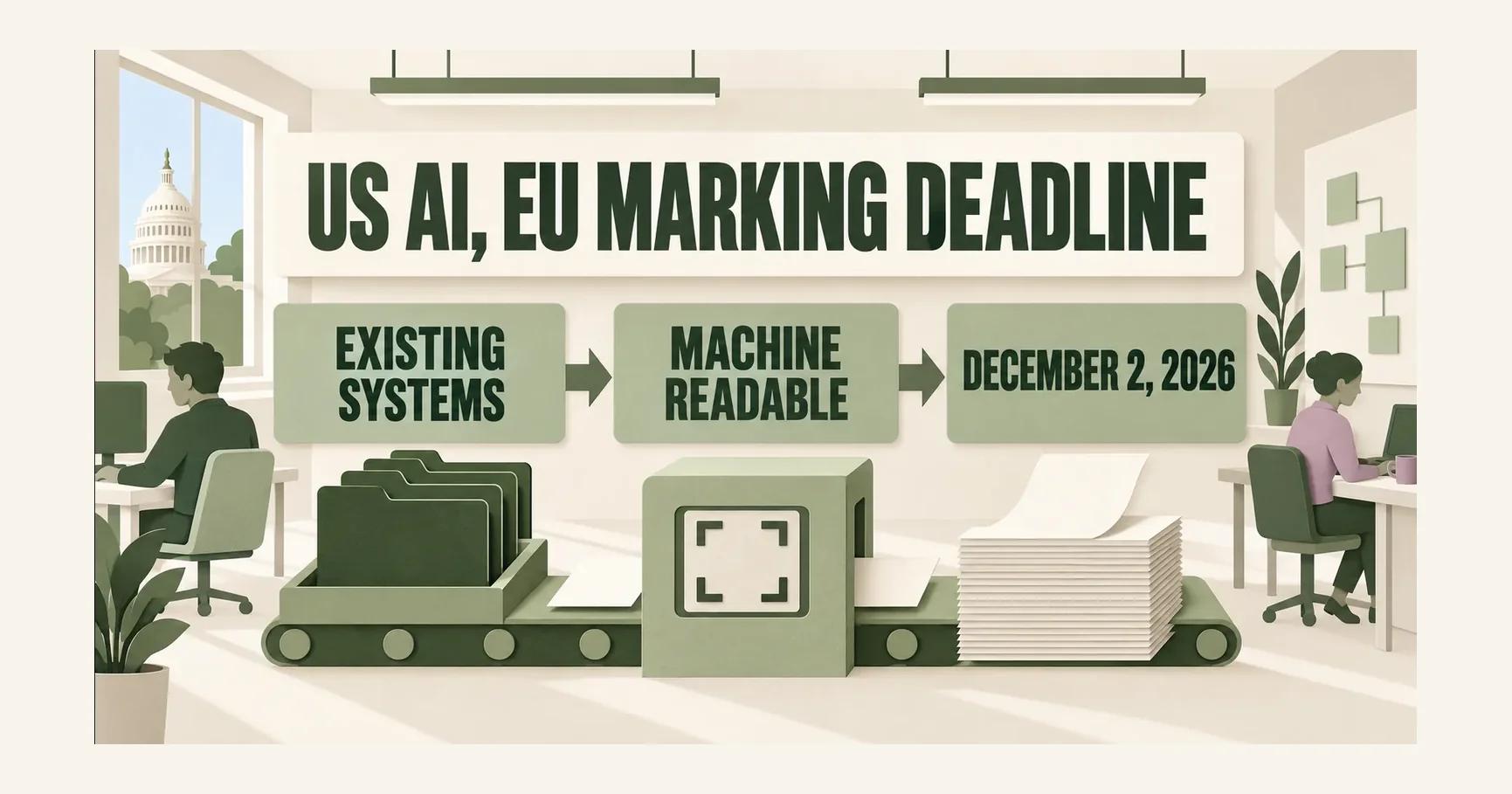
What Is AI Watermarking Under the EU Act for US Firms?
AI watermarking under the EU AI Act: which existing US systems must mark synthetic output by 2 December 2026, what marking means, and which duties start sooner.
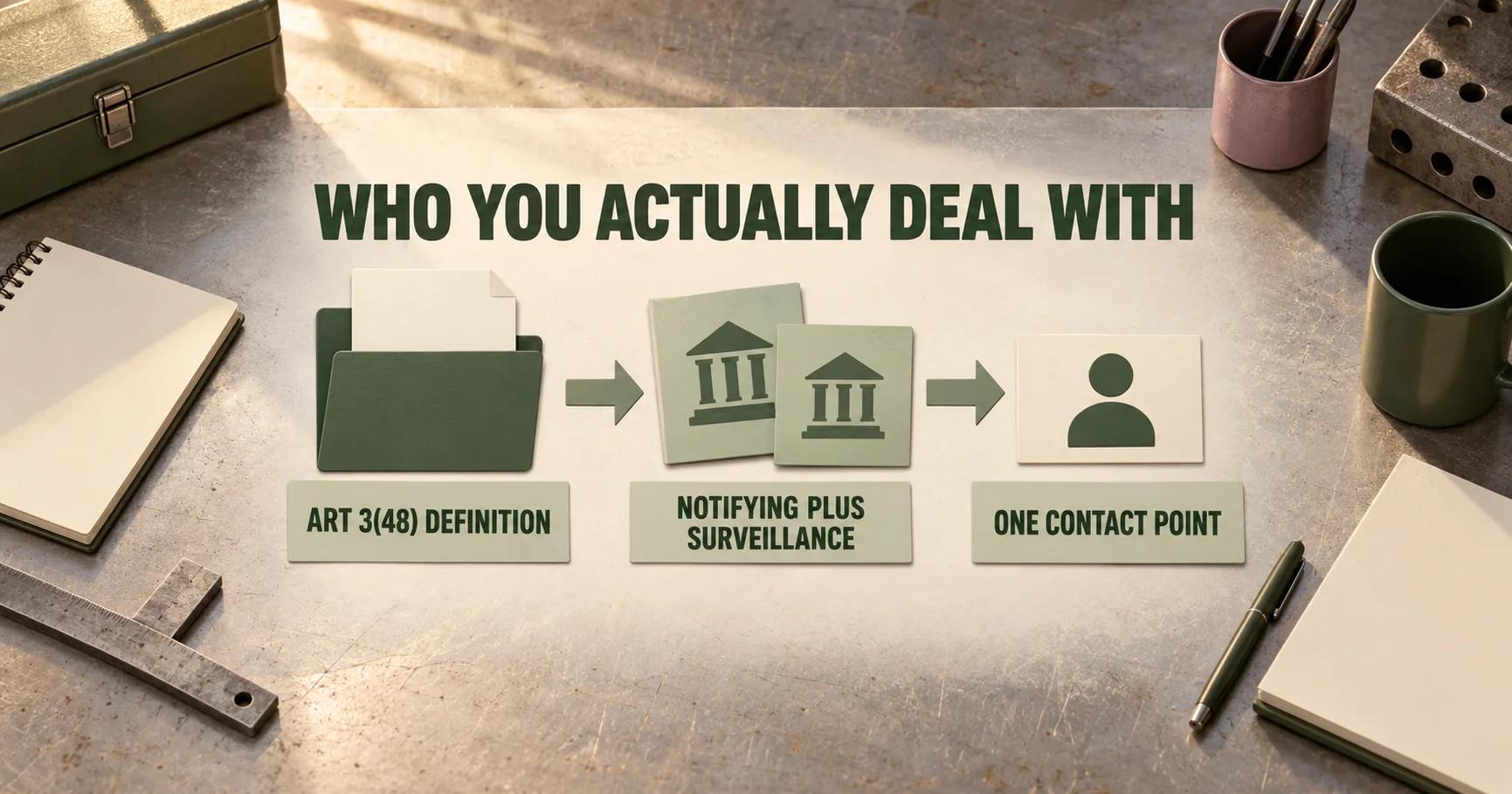
What Is a National Competent Authority Under the AI Act?
A plain guide to national competent authorities under the EU AI Act: who supervises, who notifies, where to find a contact and when to ask for advice.
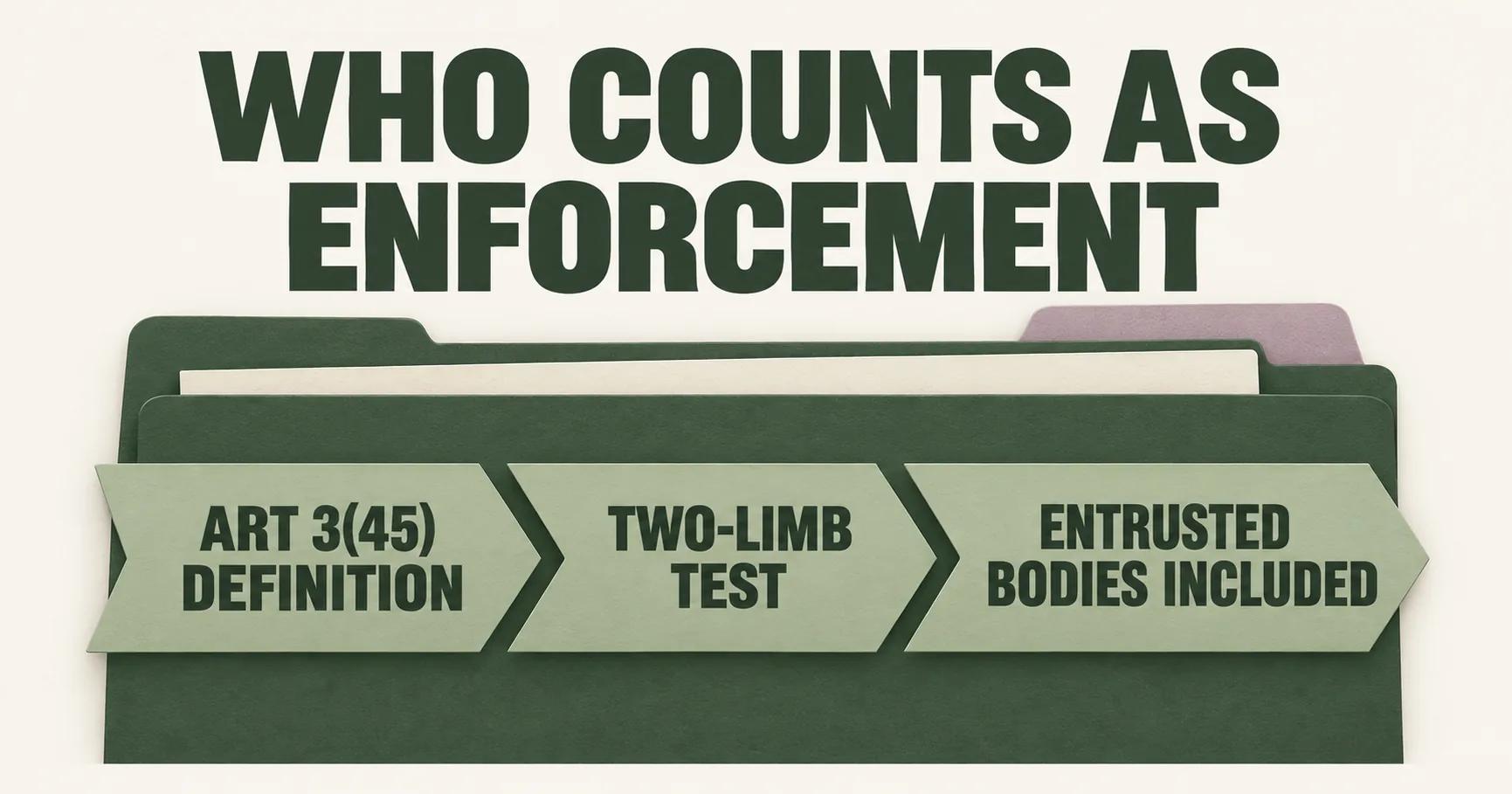
Law enforcement authority in the EU AI Act: who counts?
See who qualifies as a law enforcement authority under Article 3(45) of the EU AI Act, including entrusted bodies, and where the definition affects AI duties.

Fundamental rights impact assessment: who must do one?
A fundamental rights impact assessment checks how covered high-risk AI may affect people. See who must assess, what to cover and when to notify an authority.

GDPR Certified? What GDPR and AI Act Claims Really Prove
GDPR certified and AI Act certification claims explained: scope, approval, three-year validity, continuing responsibility, conformity and CE marking.

EU AI Act Risk Categories: Four Practical Tiers Explained
EU AI Act risk categories explained for small firms: prohibited practices, high-risk systems, transparency duties, other uses and classification steps.
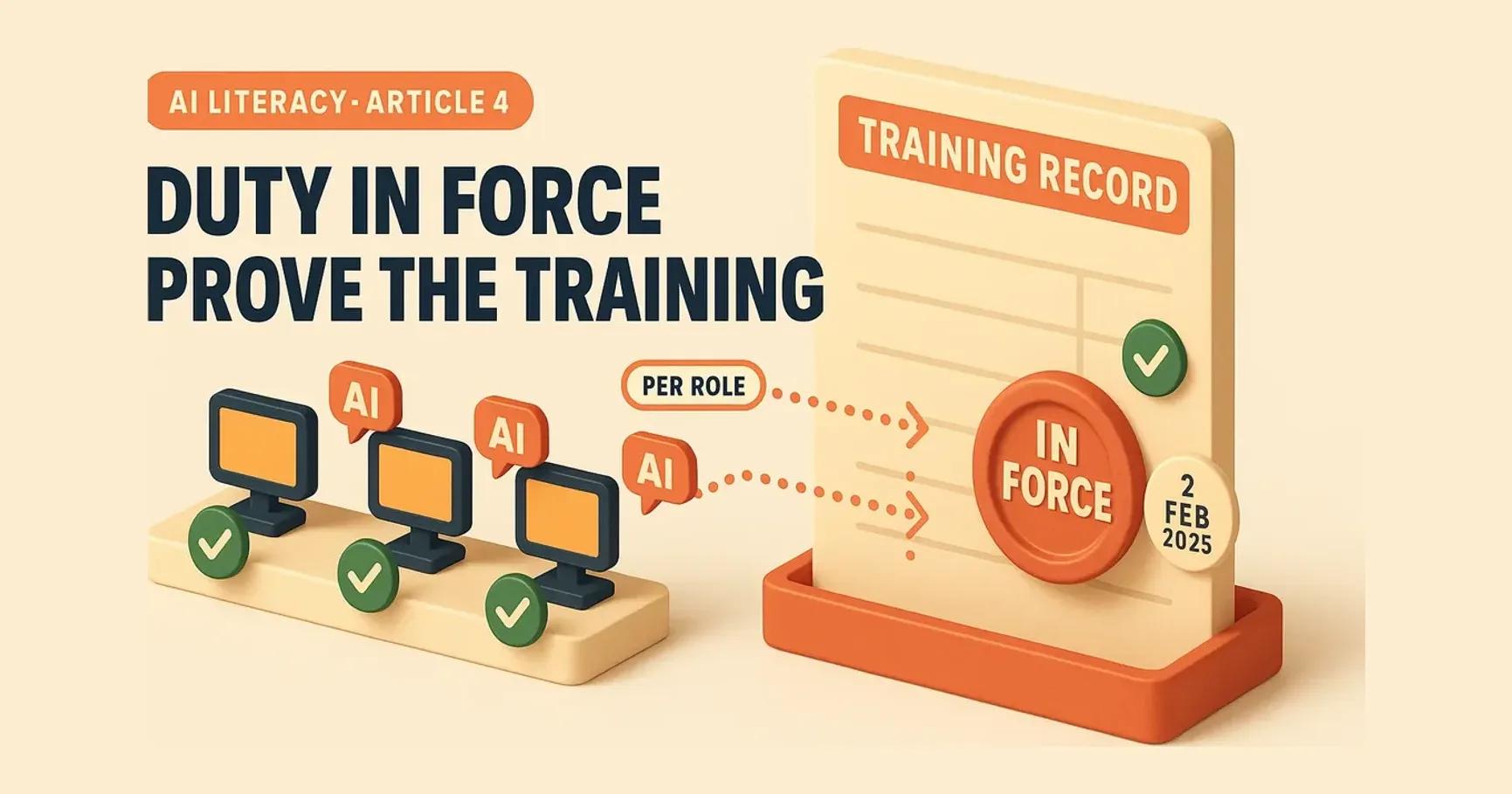
AI Literacy Under Article 4: The EU AI Act Duty in Force
The EU AI Act's Article 4 AI-literacy duty has bound providers and deployers since 2 February 2025 — what it requires and how to evidence it.
How Do You Answer an EU AI Act Vendor Questionnaire?
A customer sent an EU AI Act vendor questionnaire. State your role under Article 3, map each question to a document, and attach the evidence you hold.
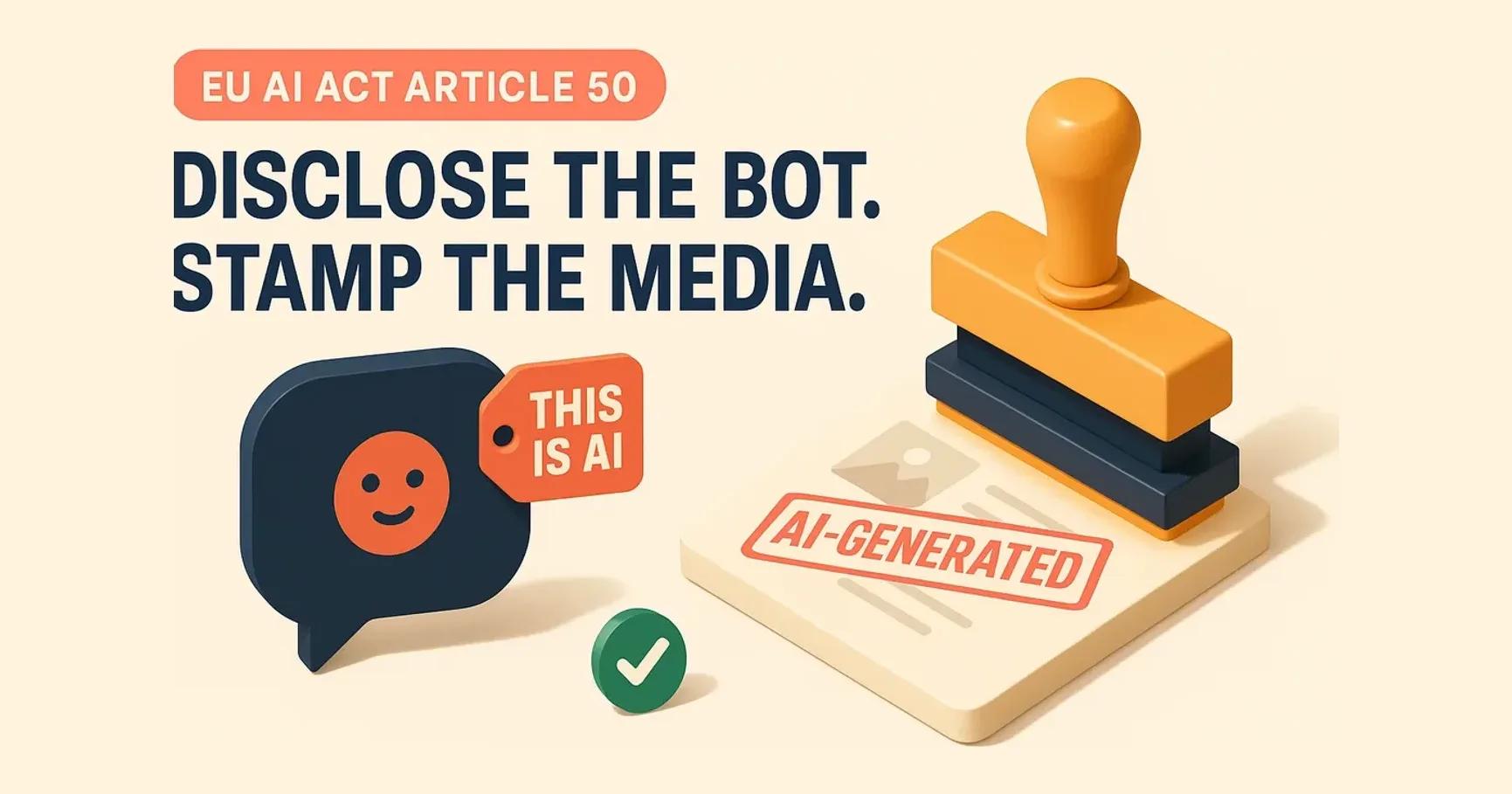
EU AI Act Article 50: AI Transparency and Labelling
EU AI Act Article 50 makes you tell people when they deal with AI and mark AI-generated content from 2 August 2026 — the four duties and example wordings.
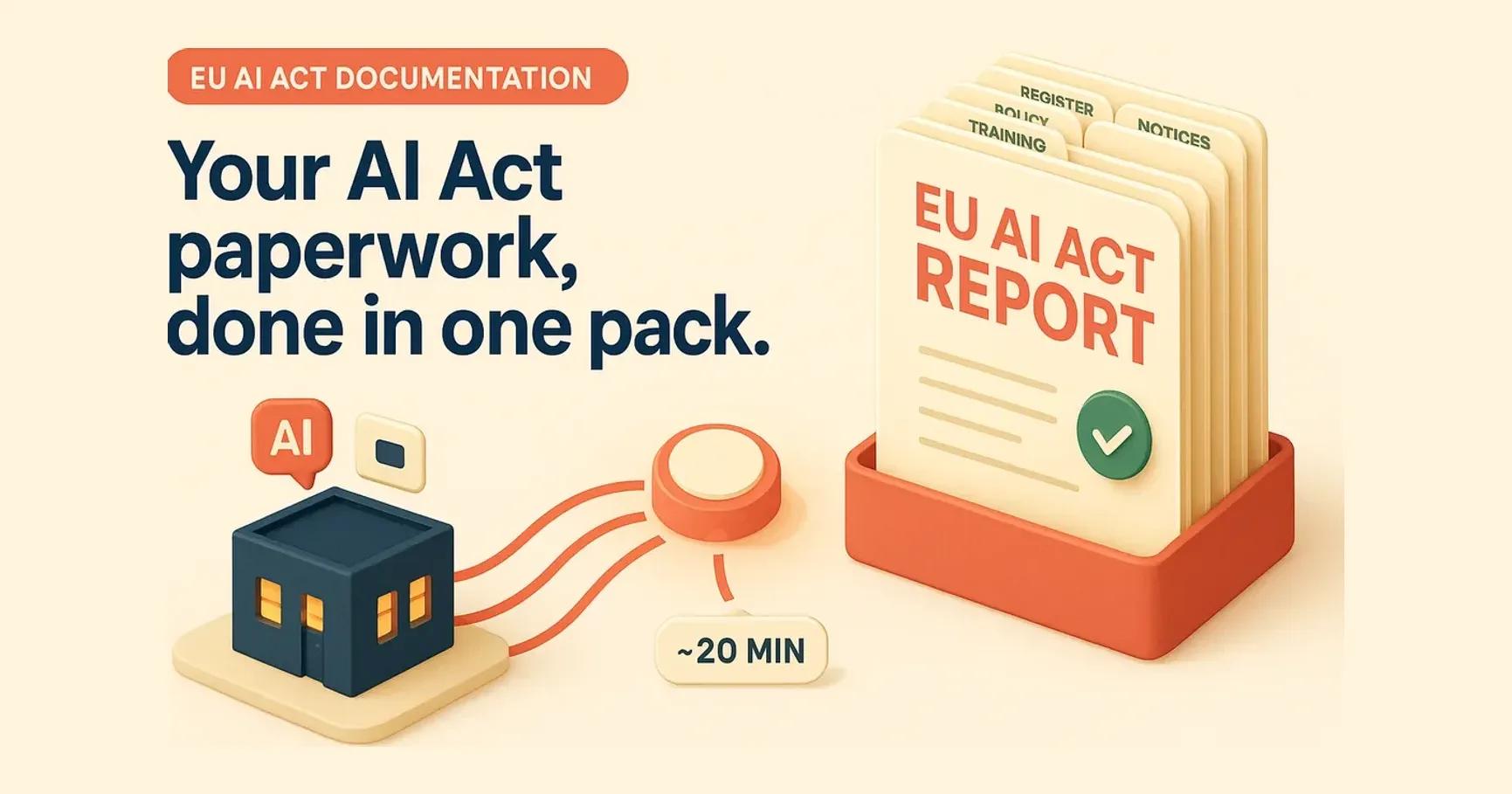
EU AI Act Compliance for Small Business: The Documentation Guide
A deployer-first EU AI Act compliance guide for a small business: the five-step path, the nine-document pack, and the corrected post-Omnibus 2026 timeline.
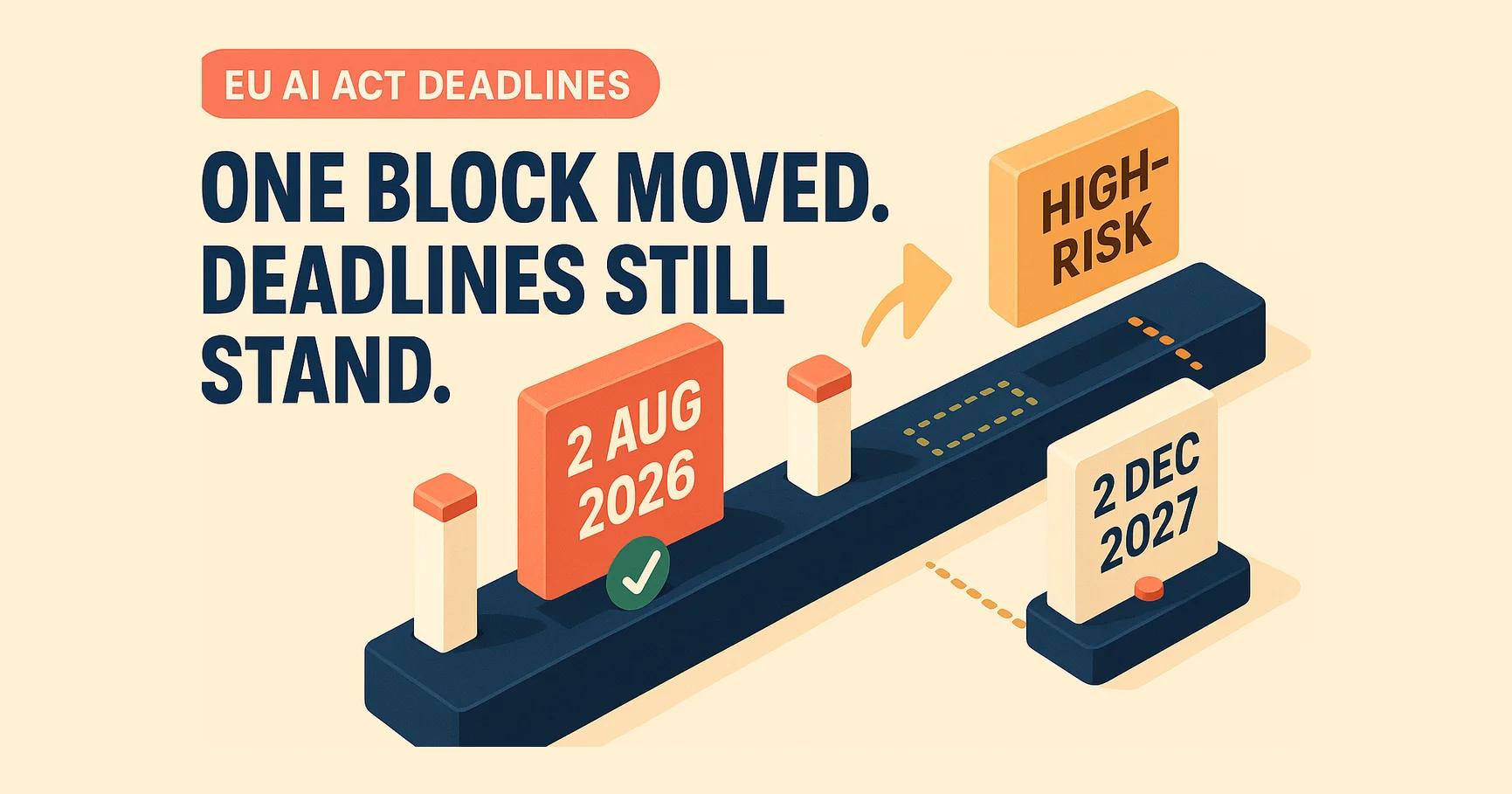
EU AI Act Deadlines in 2026: What the Omnibus Changed
EU AI Act deadlines after the Digital Omnibus, in force since 27 July 2026: what moved to 2027 and 2028, what already applies, and what to do now.
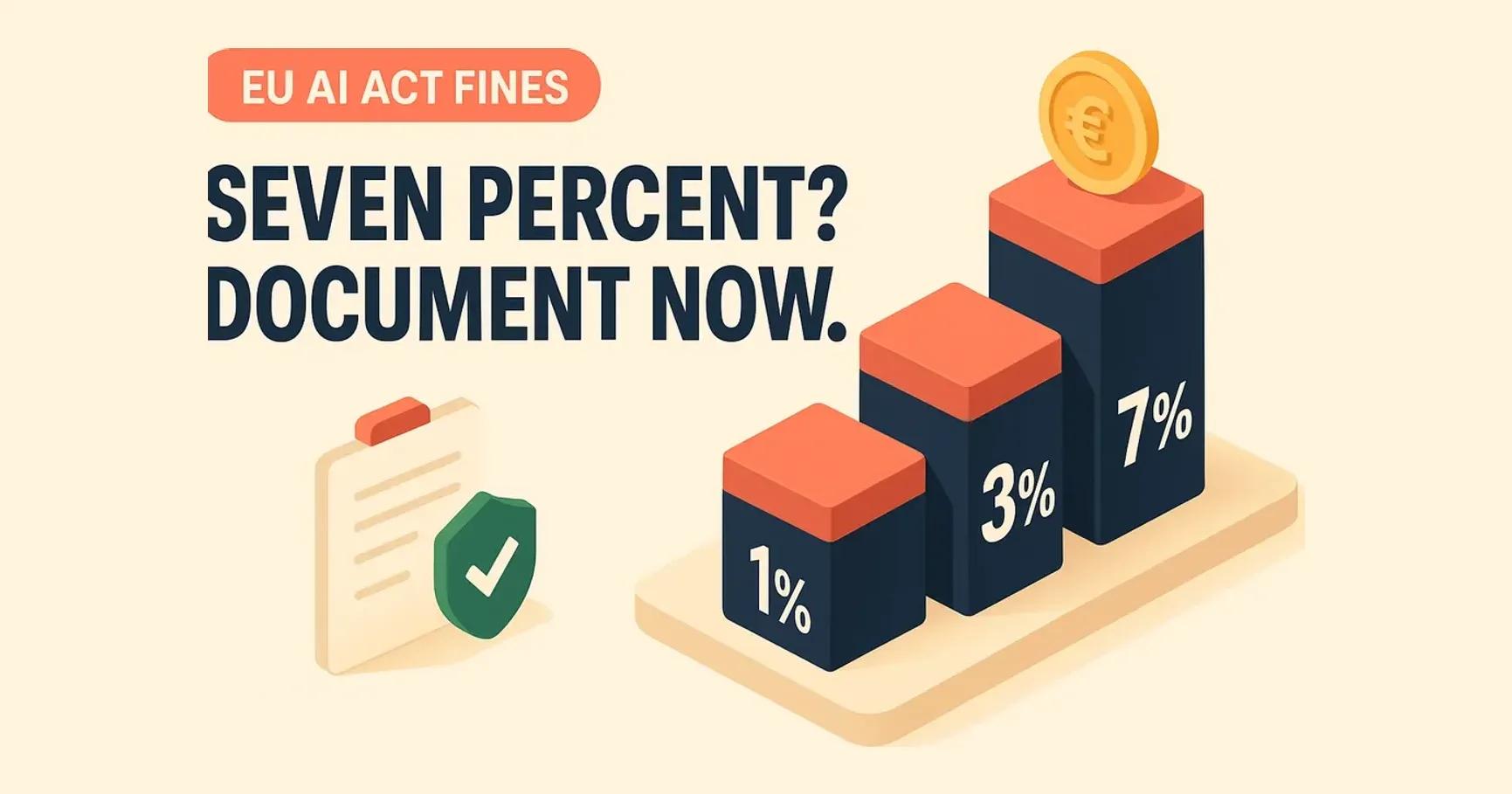
EU AI Act Fines and Penalties: How They Work (2026)
EU AI Act fines reach €35 million or 7% of worldwide turnover under Article 99. How the three penalty tiers work, when they apply, and what cuts exposure.
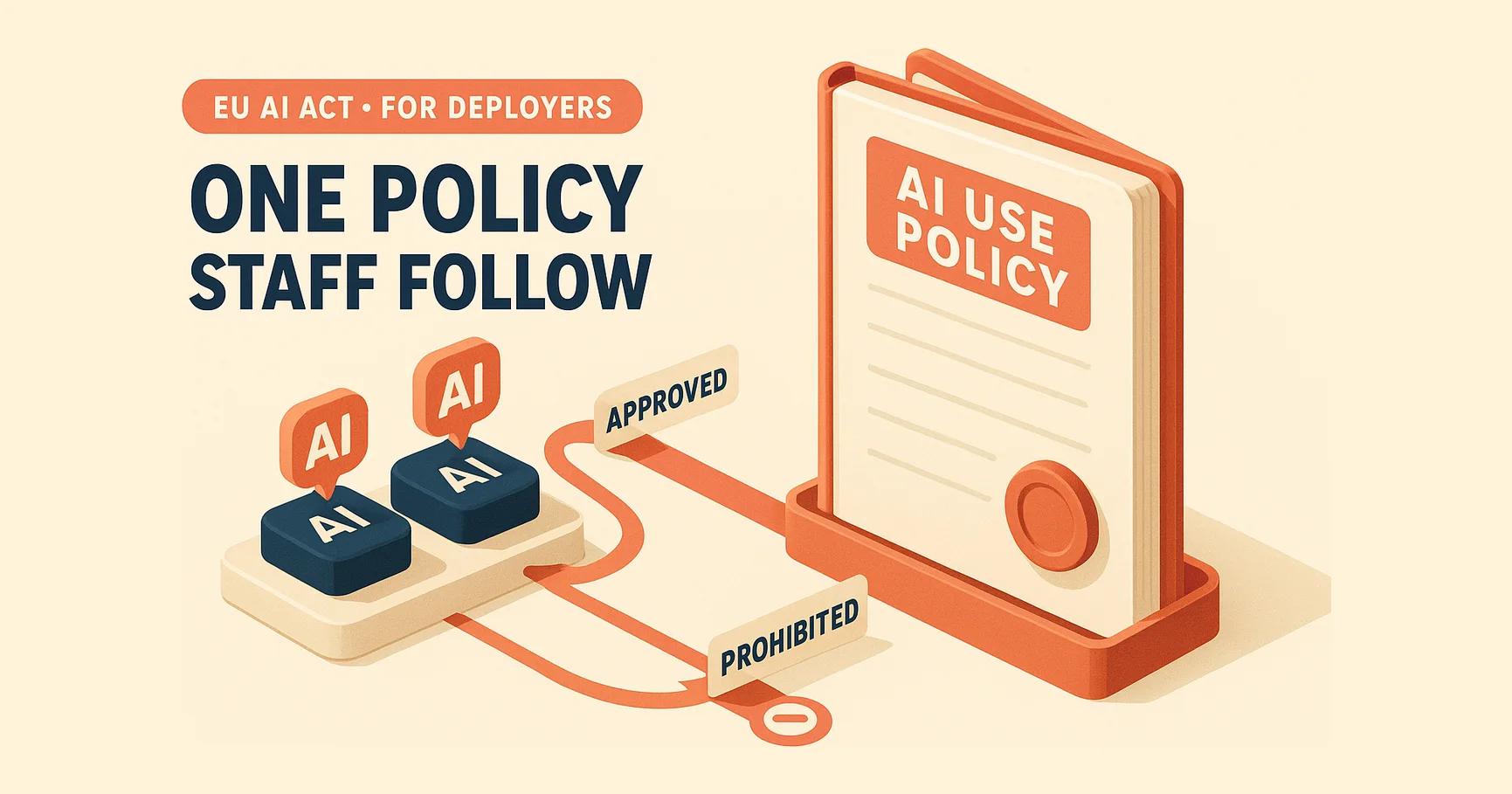
Internal AI Use Policy: What It Must Contain (2026)
An internal AI use policy is how a deployer puts the EU AI Act into effect for staff — what it must contain, who owns it, and how to keep it a living document.
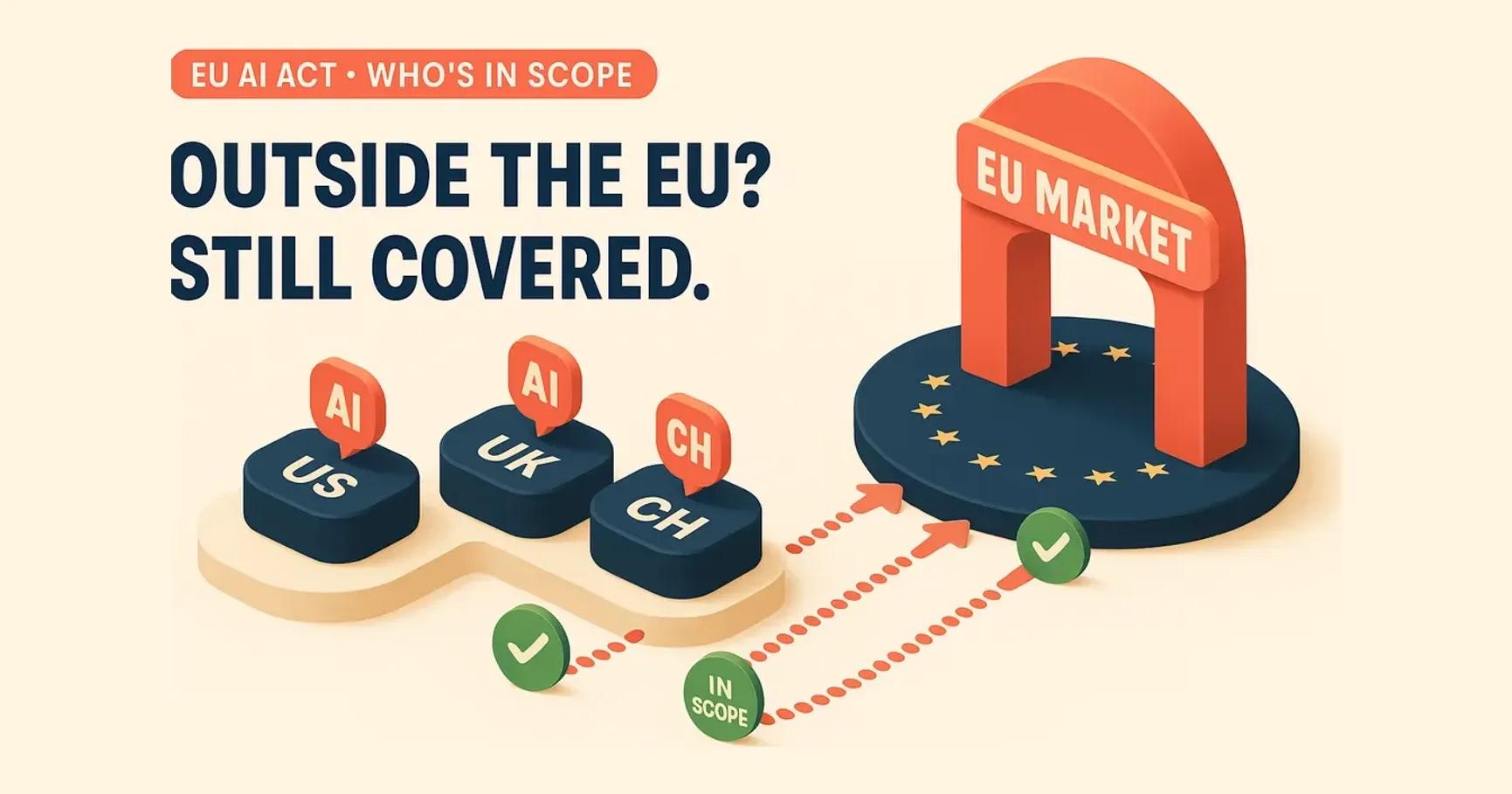
Who Does the EU AI Act Apply To? US, UK, Swiss Firms
Who does the EU AI Act apply to? It binds by role and market, not location: US, UK and Swiss firms are in scope when they sell AI into the EU market.